SUSTAINABLE AFFORESTATION ASSOCIATION
Maximising Yield and Sustainability
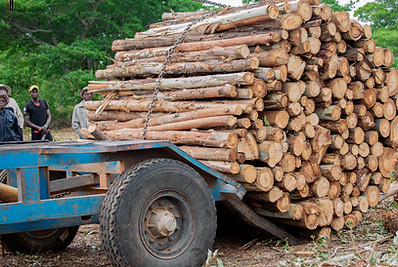
The Sustainable Afforestation Association (SAA), founded in 2013 to provide fuelwood for tobacco curing, initially faced challenges adapting forestry techniques to the drier Mashonaland regions. Over time, stricter site selection, improved silviculture, and the use of superior clonal tree material have boosted yields from about 20m³ to over 110m³ per hectare.
Ensuring Sustainability
SAA’s core aim is to supply a renewable fuelwood source for its members. Since inception, it has planted 24,000 hectares—averaging 2,000 hectares per year—and is expanding to 6,700 hectares this season as members increase their commitment to sustainability.
Certification and Auditing
SAA is pursuing Forest Stewardship Council (FSC) certification to meet global environmental and social standards. Independent annual audits will follow certification, complementing SAA’s current survival and enumeration audits, which are verified by South African auditors CMO for accuracy.
Protecting Natural Habitats
SAA plantations reduce pressure on indigenous forests by supplying sustainable firewood. The organisation adheres to laws protecting indigenous trees and wetlands, conserves at least 10% of plantation areas as natural habitat, and restores invaded land—such as removing Wattle from Nyanga National Park. A 160-strong security team patrols about 139,000 hectares of both plantation and indigenous woodland.
Partnerships and Stakeholders
SAA works with the Forestry Commission, Zimbabwe Republic Police, and prosecutors to curb illegal firewood harvesting and strengthen law enforcement. Engagement continues with government ministries and local leaders, with growing emphasis on collaboration with Chiefs as part of FSC requirements.
Future Aspirations
SAA’s goal is to help the tobacco industry reach the 15,000 hectares of annual planting needed for full sustainability, ensuring that land—not fuelwood—becomes the limiting factor in achieving long-term environmental and economic viability.